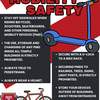
What Is a Personal Mobility Device?
PMDs include:
- E-scooters and scooters
- Bicycles (motorized and non-motorized)
- Skateboards and longboards
- Hoverboards and Segways
- Rollerblades / inline skates
- Other electronically powered recreational mobility devices
Devices designed for individuals with mobility-related disabilities are exempt.
Riding on Campus
When operating a PMD:
- Yield to pedestrians at all times
- Ride cautiously on roadways and walkways
- Operate devices with regard for the safety of others and campus property
You are solely responsible for the safe use, storage, and security of your device.
Building Restrictions
Motorized or electric PMDs are not permitted inside any Temple University building.
Non-motorized devices may be brought indoors only if they:
- Remain with the user at all times
- Are safely stored
- Do not create a hazard or obstruct exits
These restrictions help protect building occupants and reduce fire risk associated with lithium-ion batteries.
Securing Your Device
- Use designated bike racks
- Secure devices with recommended U-locks
- Register your bicycle or scooter to get a FREE U-lock
- Do not lock devices to trees, railings, signs, light poles, bus stops, or landscaping
Improperly secured devices may be removed.
Fire Safety
Lithium-ion batteries can pose a fire risk if damaged or improperly stored.
- Do not charge electric devices inside campus buildings
- Follow manufacturer charging guidelines
- Inspect batteries regularly
Temple’s policy aligns with the Philadelphia Fire Code and national fire safety standards.
Violations
Failure to comply with these guidelines may result in disciplinary action. Repeated violations may lead to enforcement measures, including removal from campus.
For full details, refer to Temple University’s Personal Mobility Device Policy.
For questions, contact the Temple University Department of Public Safety.